Crafting Success with a Bold Dessert Embroidery Design
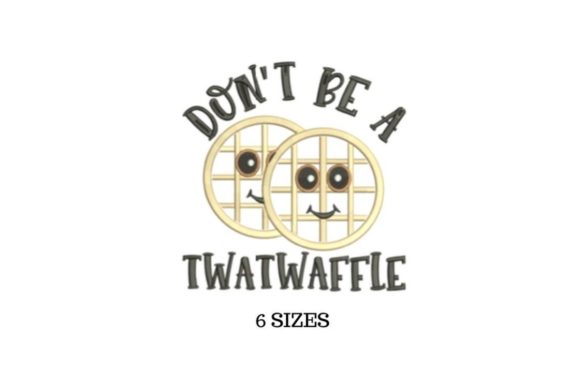
In the bustling world of craft fairs and handmade markets, choosing the right design to bring to your booth is the first critical step toward a successful weekend. When reviewing a new design for production, my focus is always on three things: its immediate visual impact, its practical application across products, and its potential to connect with a customer in a crowded marketplace. Today, I'm considering Twat.
The First Impression: Decoding the Mood
A design's title and description set the initial tone. Twat presents itself with a direct, bold statement. The description suggests a celebration of hobby and artwork, leaning into a proud, handmade ethos. For me, this signals a design that is likely modern, bold, and confident. It feels like a statement piece rather than a subtle accent. In the context of dessert-themed embroidery—which often leans toward cute or rustic—this boldness could be a powerful differentiator on a sales table. It promises an energy that's perfect for weekend vibes and hobby pride.
Product Performance: Where Twat Stands Out
Your booth is filled with potential canvases: tote bags, aprons, tea towels, caps, patches, and pillow covers. A design must earn its place. Here’s how I see Twat performing across key handmade products.
Large-Scale Statement Items
For tote bags, market bags, and apron embroidery, Twat has the potential to be a fantastic focal point. A bold, well-executed design on a canvas bag creates immediate value and attention. It feels giftable and premium. On a kitchen towel, however, you must consider the fabric texture. If the design has dense stitch areas or small lettering, the textured surface of a towel could compromise clarity.
Accent & Wearable Products
On caps, the curved surface requires careful planning. A large version of Twat might not hoop well, but a scaled-down, simplified version could work as a unique accent. Embroidered patches featuring this design could be incredibly strong sellers if the detail holds up at a smaller size. They allow customers to engage with the bold statement in a versatile way.
Home Decor & Soft Goods
For pillow covers or fabric pouches, Twat would need to align with a modern, confident home aesthetic. It could elevate a simple pillow into a conversational piece. On dark fabric, thread contrast is paramount—this design would need bright, clear colors to pop.
The Practical Production Checklist
Turning a digital embroidery file into a sellable craft fair product requires a methodical approach. Let’s walk through the real-world considerations for bringing Twat to market.
Understanding the Design Assets
The product description notes it comes with multiple embroidery file formats. This is excellent for versatility across different machines. However, as a designer, I never assume. Before any production, I open the files to inspect the actual stitch composition. I look for tiny details that might vanish on a textured towel or a small patch. I assess the overall stitch density—too dense can lead to puckering on lightweight fabrics, a common issue with tea towel embroidery.
The Critical Mockup Phase
This step cannot be skipped. You must test the design on scrap fabric identical to your final product fabric. Hoop size matters. If the description doesn’t specify a recommended hoop, you need to determine the minimum size required for clarity. Always check thread contrast against your intended fabric colors. Create at least one real, physical mockup—a tote bag or apron sample. This real mockup is what will sit in your booth; it proves the handmade quality and lets customers touch and see the value.
Batch Production & Sales Readiness
For batch production, consistency is key. Does Twat feel repeatable? Is it straightforward to hoop, stabilize, and stitch without constant adjustments? A design that is a nightmare to produce ten times will eat into your profits and sanity. For your Etsy listings and printable mockups, how does it photograph? Bold designs often photograph well, grabbing attention in a digital thumbnail. Ensure your pictures show the texture of the stitches and the crispness of the artwork.
Booth Strategy & Customer Engagement
At the craft fair, your display is a silent salesperson. Where do you place products featuring Twat?
I would position them as eye-level statement pieces. A prominently displayed embroidered tote bag with this design acts as a beacon. It communicates your brand’s confidence and modern take on dessert embroidery. It engages buyers looking for something unique, not just generic. For engagement, its bold nature invites conversation. A customer might ask, "What does that represent?" giving you the perfect opportunity to share the story of hobby pride and weekend celebration woven into the stitches.
Final Designer Notes Before You Stitch
Before you commit to a production run for your handmade shop, here is your final checklist. Review spacing within the design—are elements too close for clean stitching on thicker fabrics like caps? Inspect the design for any extremely small lettering that may not read well at a smaller scale. Confirm the commercial licensing terms of the embroidery file. The description says it can be used with multip, but you must verify that selling finished products is permitted. Use the right stabilizer for each fabric type; a tea towel needs a different approach than a tote bag. Finally, compare how the design looks on various fabric colors in your lineup to ensure it strengthens your overall brand consistency, not clashes with it.
Twat, with its bold, confident mood, has the potential to be a standout in a dessert-themed lineup. Its success hinges not just on the digital file, but on your thoughtful execution as a maker. By focusing on its strengths as a statement piece, meticulously testing its application, and positioning it strategically in your booth, you transform a machine embroidery design into a craft fair product that captures attention, celebrates the handmade spirit, and lets the weekend—and your sales—begin with a strong, proud start.