Sailing Ship Bluework Embroidery Design Review
A First Impression: Classic and Calm Coastal Vibes
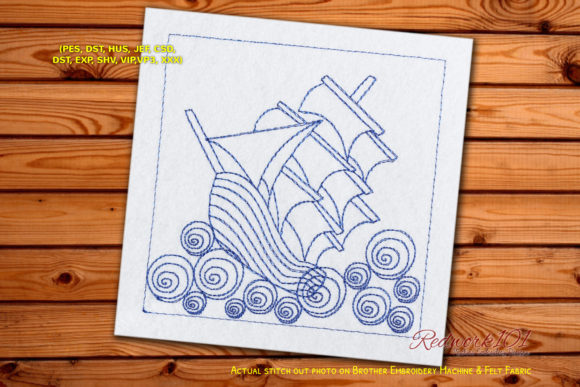
Looking at the Sailing Ship Bluework embroidery design, the first feeling that comes through is a sense of classic, calm coastal charm. It’s not a roaring, detailed pirate ship; it’s a clean, stylized silhouette that evokes a timeless nautical mood. The single-color bluework approach gives it an immediate sense of focus and simplicity, which is often exactly what you want for a project that needs to feel handmade and thoughtful, not overly technical. The shape is balanced and recognizable without being cluttered, and the optional box stitch border mentioned in the description adds an interesting framing possibility. This layout feels inherently suited to items where you want the design to be a clear, central focal point.
Where This Design Finds Its Natural Home
From a practical project standpoint, Sailing Ship Bluework naturally belongs to a world of relaxed, coastal-themed goods and gifts. Think about a custom embroidered tote bag for a beach vacation gift, a crisp white apron for a coastal kitchen, or a simple pillow cover to add a touch of seaside decor to a living space. Its clean lines make it a fantastic candidate for baby items—like a subtle motif on a nursery blanket or a small, sweet addition to a baby romper—where busy designs can overwhelm. For small business merchandise, this design translates beautifully into a range of products. Imagine it on a high-quality cotton sweatshirt for a boutique brand, or as a standalone embroidered patch that customers could buy and apply themselves. Its mood is giftable: it feels personal without being overly sentimental, making it a strong candidate for wedding gifts for sailing enthusiasts or holiday presents for anyone who loves the sea.
Performance on Real Products: From Tote Bags to Tea Towels
In real stitching situations, the success of a design like this hinges on its clarity. On custom apparel, such as t-shirts or sweatshirts, the Sailing Ship Bluework design should stitch out with good definition, provided you use a proper stabilizer and consider the fabric texture. On a tote bag, the larger, often more stable canvas fabric is an ideal home, allowing the satin stitches and fill stitches (assuming they’re used in the ship’s elements) to lay flat and crisp. For baby clothes, you’d want to test it on a scrap of the same knit fabric first to ensure the stitch density isn’t too high for the delicate material. As an embroidered patch, it could become a versatile product for an Etsy seller, appealing to customers who want to add a nautical touch to their own caps or jackets. On home decor items like pillow covers or kitchen towels, it offers a durable, decorative accent that should withstand gentle washing.
Careful Application: Navigating Tricky Stitching Scenarios
While the design’s simplicity is a strength, it’s worth thinking through where it might need extra attention. The optional box border, depending on its final stitch construction, could present corners that require precise stitching, especially on smaller hoop sizes. If you’re considering it for curved surfaces like caps, you’d need to carefully check how the design’s proportions adapt to the curved template—the ship’s mast and lines might need to be reviewed for distortion. On dark fabric, the single blue color’s contrast is crucial; you must test thread color contrast against the background fabric first. For products destined for frequent washing, like apparel or tea towels, reviewing the overall stitch density and ensuring you’ve used the right stabilizer is key to longevity and preventing puckering.
The Impact on Your Business and Customer Perception
Using a well-executed design like Sailing Ship Bluework affects more than just the stitch count. For a crafter or small shop owner, it elevates the visual appeal of the finished product, signaling attention to detail. A clean, recognizable embroidery file that stitches out reliably builds customer trust—they receive a product that looks professional and handmade, not haphazard. This consistency is vital for brand identity if you’re using it across a line of beach-themed merchandise. For digital product sellers offering the embroidery file itself, a design that performs well across common applications (like tote bags, sweatshirts, and baby items) makes for a more valuable commercial embroidery asset, as buyers can confidently use it in their own projects. The giftability factor is high: it’s a design that feels specific enough to be thoughtful but universal enough to appeal to many.
Practical Designer Notes Before You Hoop
Before you commit this design to a client’s custom apparel or your next batch of craft fair products, a few practical steps are non-negotiable. Always test the Sailing Ship Bluework embroidery file on a scrap of your intended fabric first. This is your chance to check stitch density, see how small details like the ship’s rigging translate, and confirm your hoop size is appropriate. Run it in a black and white mockup to see the pure structure without color influencing you. Compare how it looks on both a light and a dark fabric background in your software preview to plan your thread choices. The product description notes the box stitch is optional and its color may vary—so you need to inspect that element specifically in your embroidery software to understand how it’s built and whether you want to include it. Crucially, if you plan to sell the finished items or include this design in your commercial embroidery offerings, verify the licensing terms for the digital embroidery file. Don’t assume; confirm.
A Design for Makers Who Value Clean Results
Ultimately, Sailing Ship Bluework is a design that serves makers who want a clear, thematic result without excessive complication. It fits into the workflow of an apparel decorator needing a reliable motif for a summer sweater line, a hobbyist creating a personalized gift for a sailing friend, or a creative entrepreneur building a cohesive collection of beach-themed home goods. Its value lies in its adaptable personality—it can be the quiet accent on a baby blanket or the bold statement on a boutique tote. By taking the time to test it on your specific materials and for your specific product vision, you transform this digital design asset into a finished product that carries that classic, calm coastal vibe straight from the machine into your customer’s hands.