Deadly Eagle: A Bold Bird Design for Boutique Hoodies
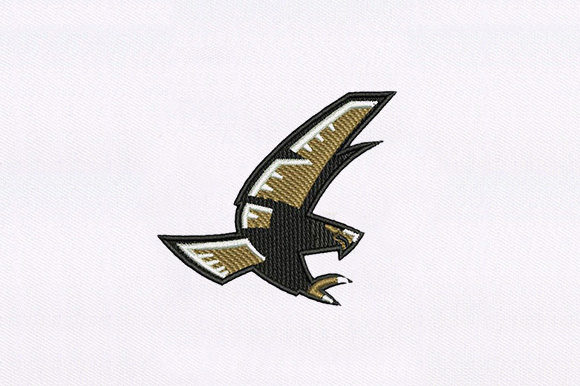
The first impression of Deadly Eagle is immediate: this is a statement piece. It doesn’t whisper; it commands attention. For a small brand preparing a premium sweatshirt collection, that’s a powerful starting point. The name itself suggests a design with attitude, a sharpness that goes beyond a simple bird motif. As a designer, my primary thought is how this embroidery file translates from the digital preview into a tangible, stitched product on fabric.
Evaluating the Mood and Layout for Commercial Use
On a neutral sweatshirt—think heather grey, oatmeal, or cream—the Deadly Eagle would establish itself as the focal point. The contrast would be clean and dramatic, lending a modern, almost minimalist aesthetic if the thread colors are chosen carefully. On darker fabrics, like charcoal or black hoodies, the design would need bright, metallic, or stark white threads to truly pop, creating a bold, night-time vibe perfect for statement streetwear. Pastel bases, however, could soften the ‘deadly’ edge, making it feel more decorative and playful, perhaps even leaning into a quirky, feminine contrast if paired with soft blush or sage green sweatshirts.
The layout, without seeing the exact artwork, suggests a central figure likely meant for chest placement. Its personality hinges on the detail level implied by the title. ‘Deadly’ implies precision, sharp lines, and perhaps aggressive angles—not a cute, fluffy robin. This stitching personality is crucial. For a boutique brand, it needs to feel premium, which means the digitization must be clean, with smooth satin stitches and well-defined fills that don’t pucker or look sparse on thicker fabrics.
Placement and Application on Sweatshirt Embroidery
For an oversized hoodie, chest placement is classic and effective. The Deadly Eagle would sit perfectly left-of-center or directly centered, becoming the brand’s signature for that drop. As a sleeve accent, it could work if scaled down appropriately, but a design with this name likely thrives on a larger scale to show its detail. A full-back design would be an ambitious, high-value application, turning the sweatshirt into a true piece of wearable art. This is where the provided embroidery file formats become essential. Having DST, PES, JEF, and others means most commercial embroidery machines can handle it, which is a relief for production.
For lifestyle product photography and Etsy listings, this design would create strong, recognizable mockup previews. Its bold nature makes for compelling images that can convey a brand identity instantly—whether that identity is rustic and strong, modern and minimal, or playful with an edge. It enhances visual recognition and customer engagement because it’s not a generic motif; it’s a character.
Practical Production Concerns for Small Shop Products
The practical designer concerns start with thread color contrast. This isn’t a design where you can use similar tones; it needs definition to live up to its name. Stitch density is a silent worry. On a premium sweatshirt’s fabric thickness, a too-dense design can be stiff and uncomfortable, while a too-light design can look cheap. The right stabilizer choice—likely a firm cut-away for sweatshirt embroidery—will be non-negotiable for washing durability and to prevent distortion.
Small-size readability is another key test. If a customer wants it on a youth size or as a smaller logo, does the design maintain its sharp, deadly details without becoming a blur of stitches? Similarly, hoop placement and the actual available hoop size need to be checked against the design’s dimensions before production. The listed formats don’t include explicit hoop size or stitch count, so a reminder here is vital: always check those details in the specific file you purchase before running the machine.
Ultimately, for commercial embroidery and custom apparel branding, this design feels strong enough if its technical foundation is solid. A well-digitized Deadly Eagle can withstand repeated washing, maintain its form, and elevate a simple sweatshirt into boutique merchandise that feels handmade and premium, not mass-produced.
How Deadly Eagle Affects Product Value and Brand Trust
Using a design like Deadly Eagle directly impacts perceived product value. It suggests a brand that is confident and has a specific aesthetic. For an Etsy seller or small shop, this helps build buyer trust—it shows investment in unique design assets rather than generic clip-art. The finished product becomes a cohesive part of a brand story, whether that story is about outdoor resilience, artistic boldness, or modern folklore.
The handmade presentation is enhanced when the embroidery looks crisp and intentional. A blurry, poorly executed bird would undermine everything, but a sharp, deadly eagle reinforces craftsmanship. This is where the quality of the digital embroidery file itself is paramount. The breadth of formats provided—including ART, EXP, VIP, and XXX—indicates compatibility with many machines, which is excellent for digital sellers catering to diverse creators. But the true test is in the stitching.
For a limited sweatshirt drop, this design could be the centerpiece. It works across neutral, dark, and pastel bases, adapting its mood with your thread choices. It can feel premium and bold on a heavyweight hoodie, or more decorative and playful on a lighter, cropped sweatshirt. Its placement versatility supports creative product development, from main chest logos to accent sleeves or dramatic back pieces.
In closing, Deadly Eagle presents an opportunity for a boutique brand to make a distinct mark. Its inherent attitude sets a tone. The practical success, however, depends on marrying that strong visual concept with diligent embroidery technique: mindful thread selection, appropriate stabilizer, and careful attention to fabric texture and stitch density. When done right, it’s not just a bird embroidery; it’s a brand statement stitched into every garment.