Embroidery Designer's Review: The Babe Design for Personalized Gift Products
A First Look at This Mood-Uplifting Design
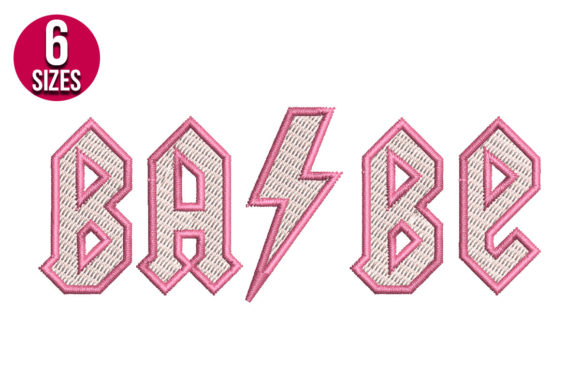
When a new embroidery file arrives for review, I always stitch it out first to see what it truly offers. My initial impression of the Babe design was its immediate charm. It carries a warm, sweet, and distinctly handmade feeling. There's a playfulness to it that feels both classic and modern, avoiding overly trendy details that might date it. The emotional appeal is clear from the first stitch; it's designed, as the description says, to uplift your mood. This isn't a purely decorative motif; it's a design that conveys affection. For someone planning a personalized gift, that emotional connection is the entire foundation of the product.
Mapping Out Its Potential in a Gift Shop
From a product planning perspective, Babe opens up a delightful range of applications. I envision it perfectly suited for baby embroidery on blankets, nursery decor items, or a delicate stitch on a special outfit. Its warmth makes it a contender for thoughtful wedding gifts, perhaps on a pillow cover or an apron for a new home. For family keepsakes, stitching it onto a custom tote bag or a kitchen towel creates a product that feels uniquely personal.
For small business owners—Etsy sellers, craft fair vendors, and handmade shops—this design is versatile. You could create an entire cohesive line:
- Baby Product Creators: Nursery wall hangings, bibs, and soft blanket corners.
- Wedding Gift Designers: Keepsake handkerchiefs, personalized oven mitts, or linen napkins.
- Home Decor Crafters: Pillow covers, subtle art for a cozy corner, or apron accents.
- Digital Product Sellers: Offering the file itself, paired with high-quality printable mockups for customer previews, is a straightforward digital product.
Where the Design Shines and Where to Take Care
The description suggests stitching it on "anything," but a professional knows that thoughtful application maximizes quality. Based on my test, I would confidently use Babe on stable, medium-weight fabrics like cotton for pillow covers, linen for tote bags, or standard terry for towels. The design’s character would translate beautifully.
However, careful planning is needed for certain contexts. If the design contains small lettering or delicate details, they might require special attention on textured fabric like thick towels or on stretchy substrates like baby clothes. Stitching on curved surfaces or dark fabric demands extra steps—proper stabilizer choice and thoughtful thread color contrast are crucial. For products destined for frequent washing, such as embroidered towels or aprons, a robust stitch density and secure finish are paramount. I always advise testing on scrap fabric that mimics the final product’s properties.
How Babe Enhances Giftability and Customer Trust
The true test of any design for a gift shop is how it finishes as a product. Babe, when stitched well, elevates the perceived value of the item it adorns. It moves a simple towel or blanket from a commodity to a cherished handmade product. This emotional connection directly impacts giftability; a customer buying for a wife, for a new baby, or for a friend is seeking that exact sentiment. In product photography for your Etsy listing or small shop website, a well-executed embroidery of this design looks inviting and professional, building immediate customer trust. It communicates care and quality, which drives buyer engagement.
For custom embroidery previews, showing clients a mockup of this design on their chosen item—a baby blanket, a kitchen towel, a pillow cover—makes the offer tangible and exciting. It turns an abstract idea into a specific, desirable keepsake.
Practical Embroidery Notes for Professional Use
Before running this machine embroidery design on a customer's order, a thorough personal review is non-negotiable. Here is my standard checklist, which applies perfectly to evaluating Babe:
- Test on Scrap Fabric: Always stitch a complete sample on a fabric similar to your intended final product.
- Check Thread Color Contrast: Experiment with palettes for both light and dark fabric backgrounds. The mood of the design can change with color choice.
- Confirm Hoop Size: The description mentions it comes with multiple embroidery files, which often means sizes. Identify the correct hoop size for your specific project to avoid unnecessary resizing.
- Review Stitch Density: Observe the design's density. Is it suitable for the fabric texture? A dense design on a delicate baby garment might be too stiff; a too-light design on a towel might not withstand wear.
- Use Proper Stabilizer: Match your stabilizer to the fabric—cutaway for stretchy or delicate items, tear-away for stable cottons. This is critical for crisp small details.
- Compare Mockups: Create or review digital mockups on both light and dark backgrounds to help customers visualize their choice.
- Check Small Details After Stitching: Once stitched, inspect closely. Are any tiny elements loose or unclear? This is the time to adjust settings.
- Confirm Commercial Licensing: Before selling any finished products, verify the license terms of the digital embroidery file. Ensure your use—whether for physical products at a craft fair or in your Etsy shop—is permitted.
A Design That Supports Your Creative Business
Ultimately, the Babe design feels like a reliable, mood-lifting asset for a maker focused on personalized gifts. Its warmth caters to customers seeking sentiment in a baby product, a wedding gift, or a simple homemade comfort. Its versatility allows a small business owner to build a product range without sourcing countless individual designs. As an embroidery designer reviewing it for shop use, my final note is this: its success hinges not just on the digital file, but on your professional process. Test it thoroughly, match it to the right projects, and you'll have a product that not only uplifts the viewer's mood but genuinely enhances your offering of custom embroidery. Always remember to check the specific technical details like exact stitch count or file formats from the provider before finalizing your product plans.