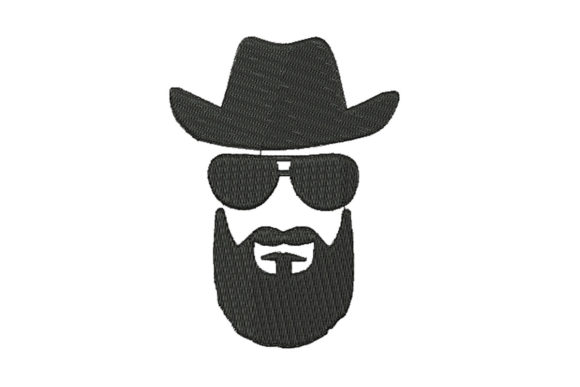
The Cowboy Embroidery Design: A Market-Ready Western Classic
When you're preparing for a craft fair, every design in your lineup needs to earn its spot. It has to be a product you can produce reliably, a style that catches a customer's eye across a busy booth, and an image that adds perceived value to a handmade item. Today, I'm looking at a design called "Cowboy" with that exact set of criteria in mind.
First Impression: Simple, Stylish, and Instantly Recognizable
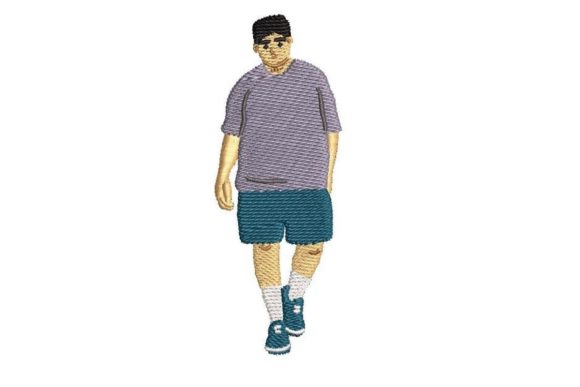
The name "Cowboy" sets a clear expectation. This isn't an abstract motif; it's a classic, recognizable symbol. From the description calling it "simple and stylish," I anticipate a clean, likely minimalist interpretation of a cowboy figure or icon. This is a significant advantage at a market. Customers process visuals quickly. A design that communicates its theme immediately—like a cowboy—has a higher chance of stopping someone who loves that rustic, western, or farmhouse aesthetic. It feels bold in its thematic clarity, yet potentially soft or minimal in its execution. This balance is excellent for a wide range of products, from a child's t-shirt to a premium tea towel.
Where Cowboy Stands Out on the Product Line
My mental booth display is filled with tote bags, aprons, tea towels, caps, and small giftable items. I evaluate where "Cowboy" would shine.
On apparel like t-shirts and caps: This design is described as looking good on these items. Its simplicity means it won't become a heavy, stiff patch of stitches on a lightweight tee, and it should adapt well to the curved surface of a cap if the design isn't overly wide. For caps, especially, a clean western design often sells well.
On home goods like towels, pillow covers, and aprons: This is where I think "Cowboy" could become a star. A stylish cowboy embroidered on a kitchen towel or an apron taps into that enduring farmhouse kitchen trend. It feels decorative and functional. On a pillow cover, it becomes a statement piece for a rustic living room. The key will be how it scales. A larger version on a market bag or pillow might be very effective, while a smaller, accent version on a fabric pouch or tea towel corner could be charming.
As an embroidered patch: A standalone "Cowboy" patch is incredibly versatile. Patches are hot sellers. Customers can apply them to their own items, making it a quick, low-cost product with high appeal. The design's recognizability makes it a perfect patch candidate.
The Practical Production Test: Is It Really "Easily and Quickly Embroidered"?
The product description highlights that it's "very easily and quickly embroidered." This is a crucial claim for any maker preparing for batch production. Speed and reliability directly impact your profit and sanity on a busy fair weekend.
To trust this, I must consider a few technical points. The mention of "multiple embroidery file formats" is a professional plus—it means I can use it on different machines or software. However, before any production run, my standard designer advice is:
- Test on scrap fabric first, preferably the actual fabric you'll use for products.
- Check thread contrast. A simple design often relies on strong color contrast to pop. Test it on both light and dark fabrics.
- Review stitch density. Even simple designs can have dense areas that might puckering on towels or thin bags. A test run reveals this.
- Confirm the appropriate hoop size. The design likely has a recommended size. Don't assume; check the file details.
- Use the right stabilizer for the fabric texture. Towels are textured, caps are structured, totes are often heavyweight cotton—each needs proper stabilization to keep those "stylish" stitches looking crisp.
- Create at least one real, physical mockup of your intended final product. How it looks in a digital mockup for your Etsy listing versus in your hands are different. The physical feel affects perceived quality.
Selling Power: Customer Attention and Product Value
From a seller's perspective, "Cowboy" has attributes that help drive sales.
Visual Appeal & Attention: Its thematic clarity helps it group well in a booth. If you have a section of western-themed items—aprons, towels, totes—this design creates strong brand consistency. A customer who likes the theme will see multiple applications and might buy more.
Product Value & Handmade Quality: A clean, well-executed embroidery design like this elevates a simple item. A plain tea towel becomes a "farmhouse kitchen towel." A basic tote becomes a "western market bag." This added narrative increases the item's value and justifies a higher price point, highlighting your handmade craftsmanship.
Booth Display Strength: Use products with "Cowboy" as your display anchors. A large tote bag with this design can be hung prominently. A set of embroidered tea towels folded together creates a attractive, thematic block on your table. These items draw people in.
Careful-Use Notes for Consistent Quality
Even with a simple design, careful application ensures every product you sell meets quality standards.
- Small Sizing: If you shrink the design down for a small accent on a pouch, check for clarity. Tiny details or thin lettering (if present) might lose definition.
- Textured Fabrics: On towels or thick linen, the texture can obscure finer lines. Your test run will tell you if you need to adjust stitch types or density.
- Dark Fabrics: A simple design on dark fabric may require a bright or white thread base to stand out. Don't rely on mid-tone threads.
- Photography for Online: For your Etsy shop or digital sales, this design should photograph well due to its likely clean lines. Ensure you shoot against a complementary background that emphasizes its style—maybe a rustic wood table for that farmhouse feel.
Final Designer Advice Before You Hit the Fair
To turn "Cowboy" into a successful craft fair product, wrap your preparation with these final steps.
- Compare Fabric Colors: Don't just use white or black. Test the design on a few key colors that match the theme—denim blue, natural linen, cream, even a bold red. Offer variety.
- Batch Production Readiness: Its described ease of embroidery suggests it's good for batch work. Organize your hoops, pre-cut your stabilizers, and prepare thread kits for smooth, repeatable production.
- Confirm Commercial Use: The description notes it's a machine embroidery design file. Before selling any finished products, you must confirm that your purchase includes a license for commercial use. This is a non-negotiable step for any small shop product.
- Engage Your Customer: At your booth, have a sample in-hand. Let people touch the embroidery. For a design like "Cowboy," its appeal is often tactile and nostalgic. That engagement can turn a glance into a sale.
"Cowboy" presents itself as a market-ready design. Its simplicity is its strength, offering versatility across products and clarity for customers. By methodically testing it on your intended items, respecting the practical needs of different fabrics, and confirming your right to sell, you can confidently add this western classic to your booth lineup and watch it attract the right buyers.